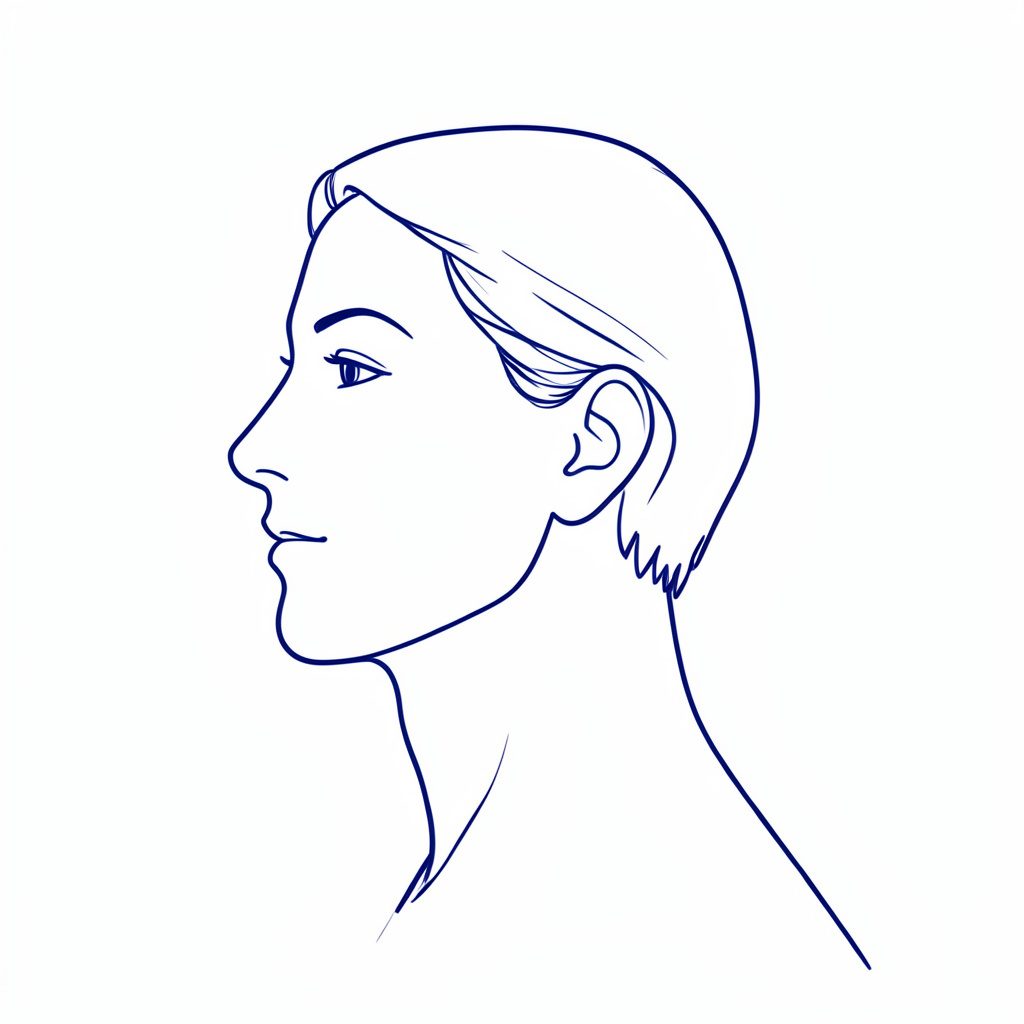
Inner smile meditation for a more grounded life
Inner smile meditation is a gentle Taoist-inspired practice that turns attention towards the source of a smile rather than its outward display. Instead of forcing cheerfulness, it invites ease, warmth and openness through breath, relaxation and inward focus. For a spiritual community, it offers a simple way to explore the gap between how we appear and how we actually feel.
Daoism describes inner work through principles such as softness, naturalness and the restoration of energy. The inward smile fits this framework, although it is not a single ritual shared identically by every school. This guide explores how the practice can fit contemporary Australian routines, reflective journaling and respectful community discussion.
What the inward smile means
Within Taoist self-cultivation, practices of directing attention and circulating qi belong to the wider tradition of inner alchemy. Modern qigong circles often present the inward smile as a simple way to settle the nervous system and soften the mind. Its central movement is from control towards allowance: noticing tension without immediately fighting it.
The smile serves as a signal of inner safety, though it need not appear on the face. A practitioner might imagine a gentle warmth in the chest, around the heart or behind the eyes. This imagery gives attention somewhere to rest, without promising a supernatural encounter or a guaranteed change in consciousness.
Preparing body and attention
Sit with the spine comfortably upright and shoulders easy. Let the jaw loosen, the tongue rest lightly behind the upper teeth and the eyes soften without being clenched shut. A faint, natural smile can settle the cheeks; nothing needs to be strained. A chair beside the window of a Melbourne laneway café is as suitable as a dedicated meditation cushion.
Keep the breathing quiet and ordinary. Notice the air at the nostrils, the gentle expansion of the ribs and the rhythm of the belly. For many Australians, “no worries” is everyday shorthand for accepting a small imperfection. Apply that spirit to meditation: a wandering thought or crooked posture is not a failure, merely something to gently release.
A simple ten-minute session
Begin by feeling both feet on the floor and taking three natural breaths. On the next breaths, sense the temperature of the air and the space behind the eyes. Let a small smile appear, if it wishes to, while imagining warmth spreading through the centre of the chest.
Carry that warmth towards the face, leaving the brow and jaw relaxed. Return to this inward feeling whenever the mind wanders, without deciding whether the experience is profound. Finish by opening the eyes, moving the fingers and toes and noticing one sound nearby. Ten minutes is enough for beginners, and consistency matters more than duration.
| Practice | Main emphasis | Attention rests on | Common pitfall |
|---|---|---|---|
| Inner smile | Inner quiet and self-acceptance | Breath, chest and facial softness | Forcing a bright expression |
| Social smiling | Courtesy and connection | Another person | Confusing politeness with peace |
| Loving-kindness practice | Goodwill towards others | People, images or phrases | Turning compassion into a demand |
Journaling after the session
A meditation can feel convincing in the moment and fade by lunchtime. A short journal entry gives the experience a memory. After practising, write what you noticed in the body, which thoughts appeared and what shifted, if anything. Factual notes keep imagination from becoming self-deception.
Those who enjoy recording inner impressions may also value how to read your own akashic records a journaling method, which turns a spiritual concept into a careful journaling exercise. Treat the notes as a conversation with yourself, not an unquestionable message from a past life. A useful entry might read, “My shoulders softened when I stopped chasing a particular image.”
Extending compassion into daily habits
The inward smile becomes easier to sustain when outward conduct matches it. Meet one person with unhurried attention, whether a barista, a neighbour or a driver in traffic. Small gestures matter more than solemn declarations, and compassion remains practical when it reaches beyond the meditation cushion.
Food can become a subject of spiritual reflection, provided it does not turn into moral judgement. This exploration of vegetarianism and spiritual awakening considers traditional connections between diet and inner discipline. Readers might approach compassion, gratitude and seasonal Australian produce without assuming that one meal determines their spiritual progress.
Working with symbols and energies
Australia’s wellness market brings together studio classes, retreat packages, crystal retailers and app-based meditations. People can choose from many channels, so a practice is best judged by personal fit rather than a trend promise. A crystal held during practice may serve as a tactile anchor, while the attention given to it remains the essential element.
For a measured examination of the claims, crystals and vibrational frequency offers useful reading. Appreciate a stone’s beauty and cultural history while asking what evidence supports any promised effect. This balance suits a community that values wonder, discernment and the freedom to question familiar teachings.
Building a supportive daily rhythm
Choose a time that will survive ordinary Australian weeks: a short session before work, beside a window at home, or during a walk through Canberra’s Mulligans Flat nature reserve. Pair it with something already habitual, such as making tea or walking the dog. If a busy week interrupts the routine, resume without drama.
Illuminating Minds Society offers forums, groups, member posts, meditations and conversations for people interested in awakening and conscious living. Share what you tried, how long you practised and what felt difficult. Specific experiences invite better discussion than broad claims about energy, and ordinary conversation can make spiritual practice feel less solitary.
Begin with five minutes today: settle the body, soften the face and return to the breath. When the session ends, post a short reflection in the community and invite others to compare notes. The inward smile then becomes a practice of attention, compassion and accountability.