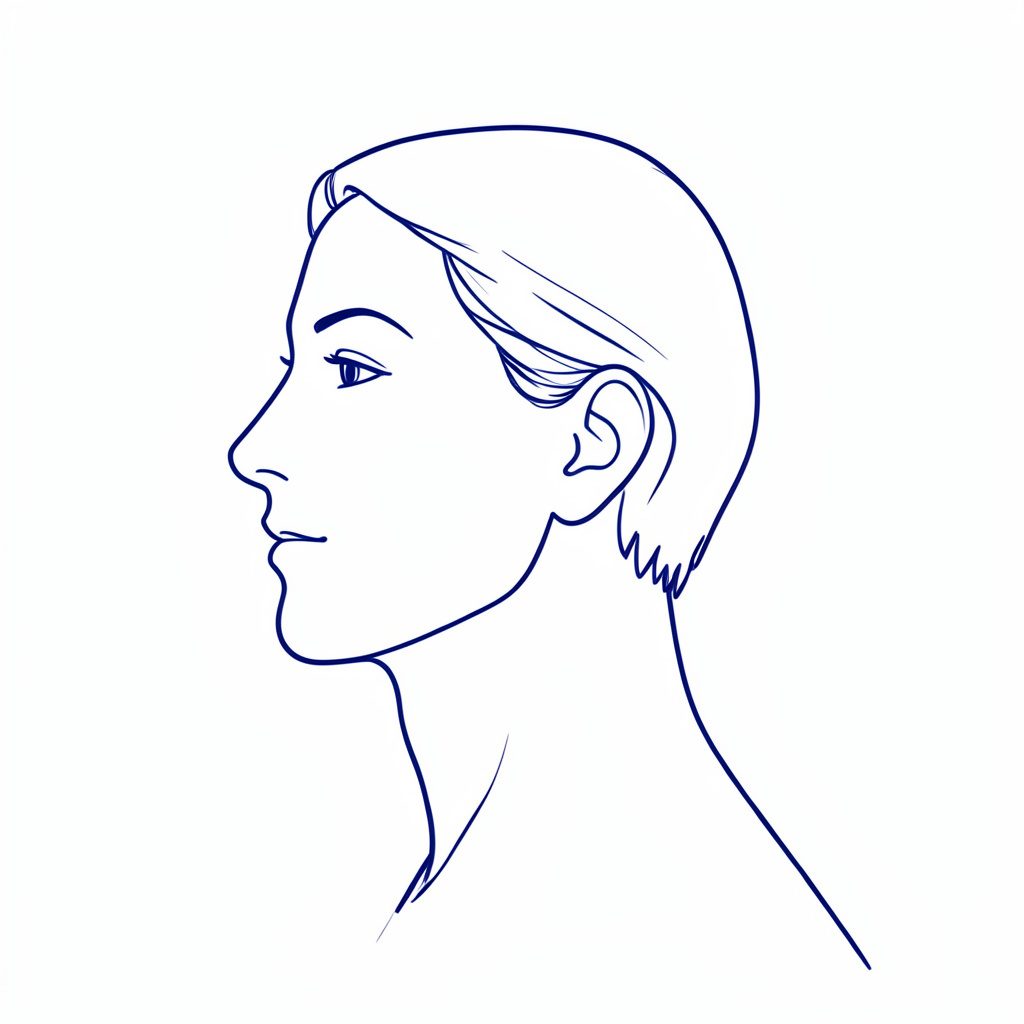
Loving-Kindness Meditation for Inner Healing
Inner healing rarely begins with a dramatic breakthrough. More often, it starts when we soften the voice that judges every mistake, missed opportunity and emotional need. Loving-kindness meditation offers a steady way to meet that voice with warmth rather than another argument.
Also known as metta practice, this meditation repeats phrases of goodwill and trains the heart toward greater self-compassion. It can support people navigating grief, burnout, broken trust or uncertainty, while remaining grounded in ordinary Australian life rather than demanding a perfect spiritual state.
Illuminating Minds Society members can use the reflective space here to explore intention, consciousness and emotional renewal. Because many Australians live far from extended family or familiar support networks, a private daily ritual can provide continuity between visits to a counsellor, meditation group or trusted friend.
Understanding the practice
Loving-kindness meditation is simple: sit comfortably, notice the breath, and repeat phrases such as “May I be safe” or “May I be at ease.” Directed versions extend goodwill to a difficult person, a stranger or the wider community, widening the circle of care.
These phrases are not meant to suppress anger or deny what happened. Their purpose is to create room around a painful feeling, so it can be experienced without being obeyed. Over time, repeated signals of safety may ease the inner tension that keeps old wounds active.
Healing the inner critic
Self-criticism can become a habit as demanding as any routine. When every decision is reviewed harshly, the mind resists rest, and small setbacks feel like evidence of failure. Compassion interrupts that cycle by teaching that making mistakes does not cancel one’s worth.
Australians often hear reassuring phrases such as “she’ll be right” or “no worries,” yet not everyone says what they feel. Practising self-kindness gives that familiar resilience a more honest form: acknowledging difficulty while refusing to treat pain as a personal defect.
Building a daily ritual
Begin with ten minutes rather than an ambitious hour. Use the same time each day, perhaps before making breakfast or after work, and let the practice remain brief enough to survive busy weeks. Consistency matters more than an ideal setting.
Breath awareness gives wandering thoughts a neutral anchor. When the mind notices tension, return to the phrase and the next inhale. This is not a test of concentration; noticing that you drifted is itself a moment of compassionate awareness.
Choose a setting that feels available: beside a window in a Melbourne apartment, on a Sydney Harbour walking route, or during a quiet pause at a Byron Bay retreat. A cushion, chair or folded blanket works equally well.
Meeting difficult emotions
Some feelings need active care, especially when memories of conflict or betrayal surface. Keep the meditation gentle and consider professional support for trauma; spiritual practice should complement, not replace, qualified mental-health care.
Community reflection can make the process less private. Explore the shared photo reflections for examples of members pairing contemplative imagery with notes on emotional release, then discuss what felt supportive in the society’s forums.
Pairing compassion with discernment
Metaphysical language can deepen the practice, but it should not become pressure to feel perfectly enlightened. Some people visualise warmth entering the chest; others sense light, safety or an open doorway. Each image can represent the same underlying intention of kindness.
That intention also helps distinguish healthy receptivity from wishful thinking. Before reading a meeting, message or sign as confirmation, ground yourself in facts and boundaries. The society’s guide to soulmate energy alignment offers a useful parallel: alignment begins with grounded self-awareness, not projection.
Comparing meditation approaches
Personal discipline matters, yet gentle accountability can help. A short post after practice, a forum discussion or a group meditation can reveal patterns that remain hidden in private reflection. Share only what feels safe, and listen without diagnosing anyone else.
Several methods can serve the same intention, depending on whether a person prefers words, imagery, breath or conversation.
| Approach | Main element | What it supports | Useful when |
|---|---|---|---|
| Phrase-led | Repeated goodwill phrases | Settling self-criticism | Words feel grounding |
| Visualisation-led | Warmth or light imagery | Releasing bodily tension | Imagery comes easily |
| Breath-led | Inhale and exhale awareness | Steadying racing thoughts | Restlessness dominates |
| Community reflection | Discussion and shared notes | Accountability and perspective | Solitude feels isolating |
Whichever method you choose, pair it with an honest check-in. Consider whether you feel more spacious, numb or distracted, then adjust the next session accordingly.
Beginning with compassion
Choose one phrase today and repeat it for ten minutes. If old criticism returns, meet it with the same words you would offer someone you love. The goal is not to become someone without discomfort, but someone who can stay present without abandoning the inner self.
Make the next step small and visible: schedule the practice, place a reminder nearby, or share one truthful reflection with the community. Consistent acts of goodwill toward yourself create the foundation for deeper healing and a more awake, compassionate way of living.