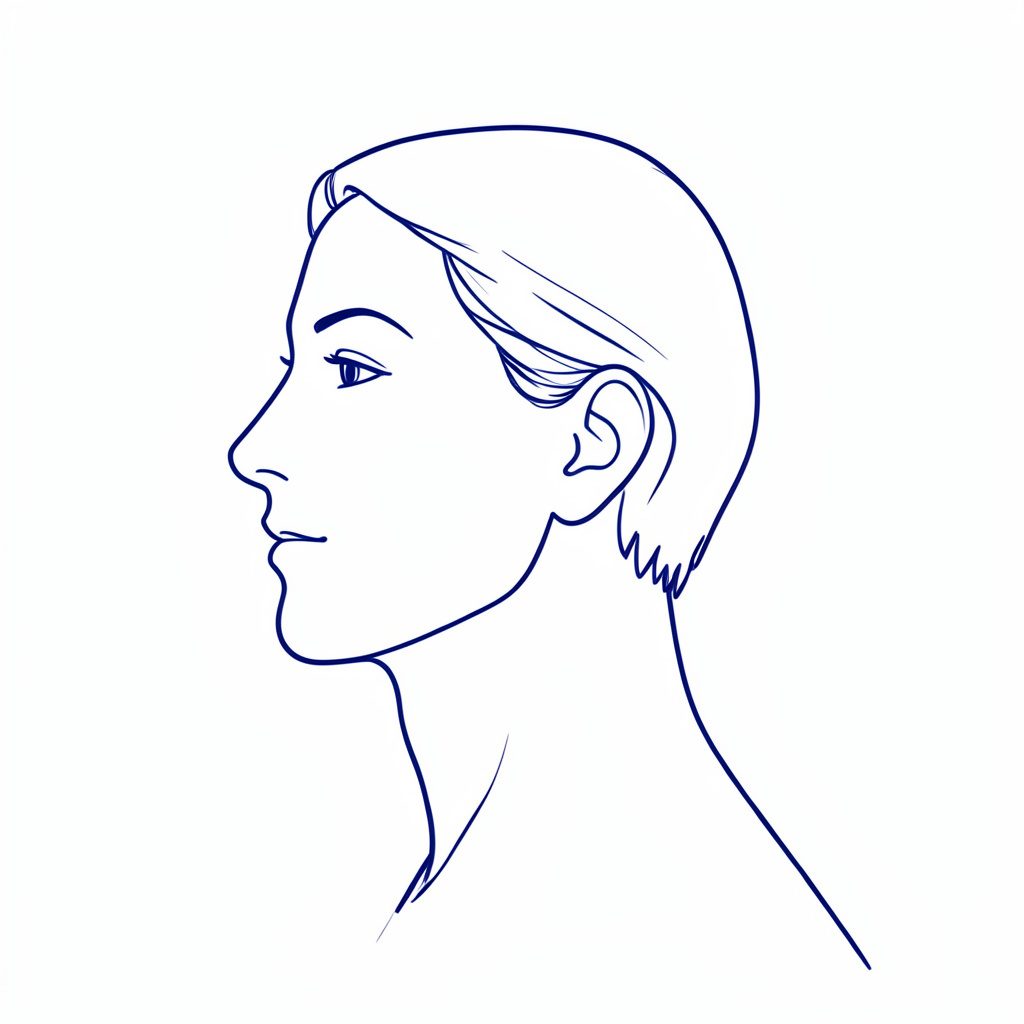
The Star Gate of the Pineal Gland: Fact or Metaphor?
The pineal gland is real; the “star gate” is not a recognised anatomical passage. Deep in the brain, this small endocrine organ helps regulate sleep and biological rhythms. The popular phrase invites us to separate what the body demonstrates from what the symbol has meant across centuries.
Some meditation traditions describe an inner opening through which consciousness expands; modern retellings translate that experience into astronomical imagery. Beginning with the gland’s connection to light, this language can be personally meaningful while remaining outside established anatomy.
For Australian readers, the subject sits within a busy market of wellness retreats, astrology, crystals and online coaching. A respectful conversation can hold personal experience and empirical evidence together without treating imagination as measurement—or dismissing a meaningful symbol because its mechanism is unverified.
| Claim | What can be checked | A reasonable interpretation |
|---|---|---|
| The pineal gland is a gateway | It is a small brain structure that produces melatonin | Biological regulation, not a literal portal |
| Spiritual practice awakens it | Practitioners report changes in awareness, light or calm | A subjective experience worth exploring carefully |
| Star energy enters through it | No reproducible physical portal has been demonstrated | Metaphysical belief rather than established science |
What the pineal gland actually does
The pineal gland sits near the centre of the brain, behind the eyes, and is roughly pea-sized. It produces melatonin, a hormone that signals biological night and influences sleep timing. In some animals, it also contributes to seasonal breeding cycles.
With age, the gland commonly develops calcium deposits, a process called pineal calcification. These deposits can make it more visible on scans, inspiring claims about it “switching on” or “switching off”. Calcification does not demonstrate spiritual activation, astral travel or an opening to outer space.
Melbourne Museum’s human-evolution galleries offer a useful contrast. They place human curiosity within a long biological history, in which this gland is studied as anatomy rather than cosmic machinery.
From anatomy to inner vision
The gland’s name comes from its pine-cone shape. Long before modern endocrinology, European mystics linked the point between the eyebrows with inner sight. René Descartes treated it as the seat of the soul, while the “third eye” became associated with intuition and higher perception.
Eastern teachings describe spiritual centres, or chakras, in ways that vary between traditions. When the pineal is connected with the crown or third-eye chakra, the comparison is usually symbolic: a small bodily point becomes an image for awakening, discernment and movement beyond ordinary awareness.
In Australian spiritual circles, people may say they feel “more switched on”, notice inner light during meditation, or describe “moving energy” through the brow. Such phrases can report a felt state without showing that a material doorway has opened.
What the evidence does not show
Meditation, breathwork and visualisation can change attention, emotion and sensory experience. Some participants report inner light, unity or expansion. Those reports belong in research on consciousness and contemplative practice, but they do not establish communication with stars, dimensions or other minds.
The star gate model has not been verified by anatomy, astronomy or reproducible neuroscience. Calling this gland a cosmic portal is therefore a metaphysical interpretation, not an established physiological fact. This does not make the symbol useless; it clarifies where evidence ends and belief begins.
How Australians use the language
Around Byron Bay, where wellness tourism and coastal spirituality often meet, the language of activation is common. Retreat menus and social posts may use “pineal clearing”, “light body” and “ascension”. For an Australian audience, these terms usually point towards a hoped-for shift in awareness rather than a measurable space-time opening.
Aussie phrasing can be refreshingly plain: “I felt a shift”, “that practice worked for me” or “I’m not convinced by that claim”. The spiritual community offers room for that mix of testimony and scrutiny, allowing members to describe an experience without requiring every listener to accept the same explanation.
Canberra provides another perspective. Astronomers at Mount Stromlo Observatory study the physical universe with instruments, yet that work does not identify the pineal as a transmitter. Spiritual wonder and careful observation can share a life without becoming rivals.
Keeping claims aligned with products
The market test matters because “pineal activation” appears in workshops, recordings and supplement advertising. Australia’s complementary-medicines market is regulated, with the Therapeutic Goods Administration assessing listed products; a lawful product, however, does not automatically support every claim attached to it.
Melatonin supplied through Australian pharmacies is not evidence that the pineal opens to cosmic rays, and imported supplements may face different rules from locally listed medicines. Members should check dosage, interactions and advertising claims with a qualified pharmacist or health professional, especially if they take medication or have a health condition.
Join the conversation
A balanced view can honour the pineal as a real part of the body, the third eye as a cultural symbol and the star gate as an imaginative account of awakening. It can also invite scrutiny: what was observed, what was interpreted, and what evidence could distinguish inner transformation from a physical claim?
Bring your reflections to the community forum, share what meditation has meant to you, and listen across differences without pretending that agreement is the point of inquiry.