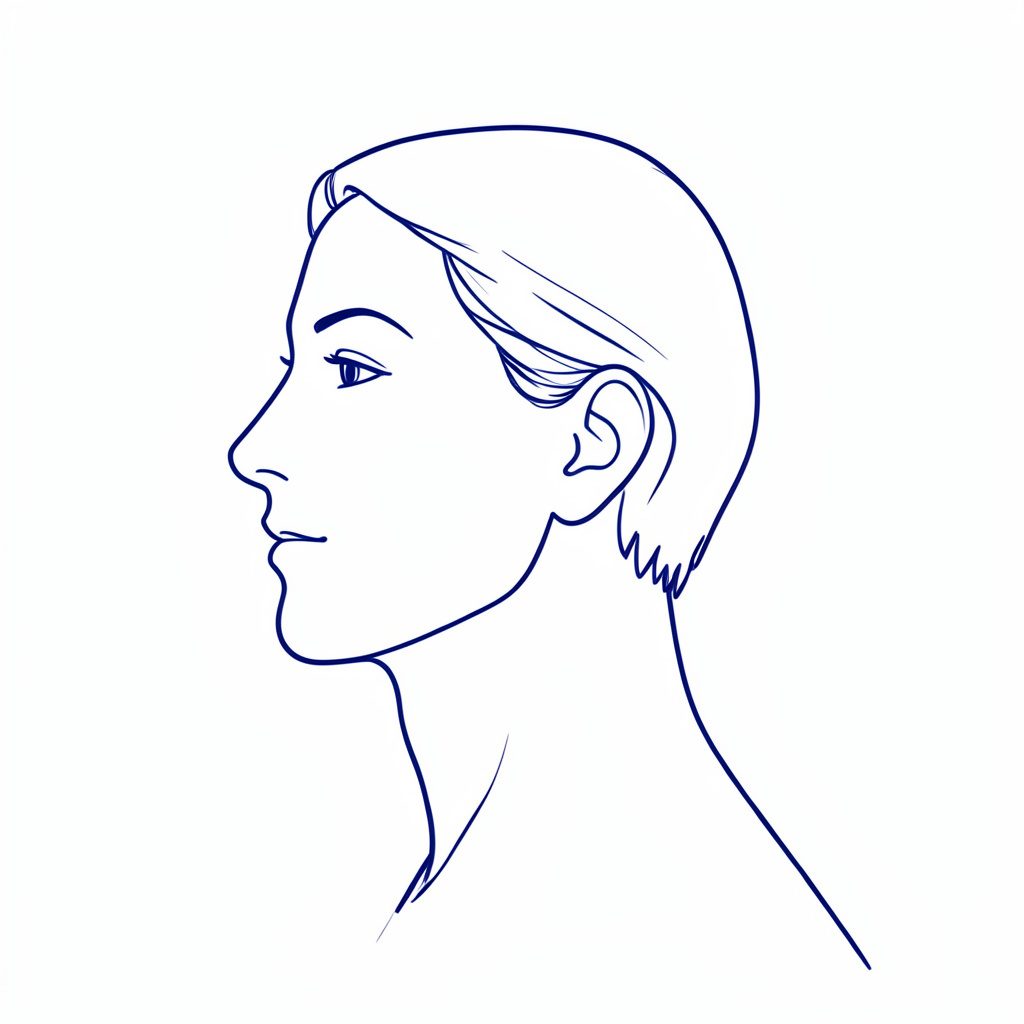
Kundalini Awakening and the Body
Kundalini awakening is a term used in yoga, Tantric philosophy and modern spirituality to describe intense shifts in perceived energy, awareness and identity. The connection between kundalini awakening and physical symptoms is highly individual and open to different interpretations.
People may report tingling, heat, inner movement, emotional release, restlessness or changes in sleep. Such experiences can feel meaningful, but they are not proof of a particular spiritual state and do not reliably identify one medical condition.
The body can react to prolonged meditation, intense breathwork, stress, fasting, caffeine or disrupted sleep in similar ways. Persistent or severe symptoms deserve medical assessment rather than a spiritual explanation alone.
A grounded approach combines self-awareness with ordinary care: regular meals, hydration, rest, gentle movement and advice from a qualified health professional. Community exploration can support reflection without replacing that responsibility.
What the term can mean
Traditional yogic models describe prana, or subtle energy, moving through the chakra system. Some practitioners associate activation in the spine with psychological awakening, heightened perception and profound changes in behaviour.
Modern interpretations vary considerably. Awakening may be understood as releasing stored tension, accessing intuition, recognising old patterns or aligning with a larger sense of purpose. These are spiritual or psychological maps, not medical diagnoses.
Physical signs people report
Experiences described during periods of intense inner focus include tingling, warmth, waves of sensation, sound sensitivity, lightheadedness, breathlessness, palpitations, fatigue and insomnia. Emotional intensity may rise alongside the physical sensations, especially when sleep or routine is disrupted.
There is no universal symptom sequence or reliable checklist. Stress, autonomic arousal and altered breathing can produce comparable sensations, so each experience requires context rather than a label. Members can browse community news for current discussions, while keeping personal health concerns separate from community interpretation.
When medical advice matters
Sudden chest pain, severe headache, fainting, difficulty breathing, one-sided weakness, confusion or loss of consciousness needs urgent assessment. Marked personality changes, hallucinations, prolonged inability to sleep or declining ability to eat, work and function also require prompt support from a clinician.
Australia’s health system provides several useful starting points. A general practitioner can assess ongoing symptoms, while Healthdirect offers nurse-led guidance on 1800 022 022. Severe or rapidly worsening symptoms warrant calling 000 rather than waiting for spiritual advice.
Australia’s large market for meditation programs, supplements and complementary medicines also warrants caution. The Therapeutic Goods Administration regulates many products, while the Australian Consumer Law prohibits misleading health representations. Ask a doctor or pharmacist about supplements because substances promoted for “energy” or “detoxification” can interact with medication or underlying conditions.
Grounding in Australian routines
Long urban journeys can make settling difficult. Someone travelling on a crowded Sydney train, changing platforms in Melbourne or sitting in traffic may benefit from briefly feeling both feet, relaxing the jaw and lengthening the exhale before arriving. These simple actions restore attention to ordinary surroundings.
Climate and daily habits also matter. Brisbane’s humid summers, sudden downpours and hours inside air-conditioning can affect sleep and sensory comfort. Regular water breaks, balanced meals and a short walk after coffee are often more sustainable than forcing an intense practice routine.
Australia’s busy market of yoga and Pilates studios offers useful options, but not every class suits a sensitised nervous system. Restorative movement, gentle stretching and unhurried outdoor time can provide stability without claiming to cure an awakening process.
Emotions, energy and boundaries
Emotional release may involve grief, anxiety, anger or an exaggerated sense of meaning. These feelings should be acknowledged without becoming fixed identities. Taking a pause from breathwork, discussion or spiritual interpretation can prevent stimulation from compounding existing overwhelm.
Online communities can offer language for experiences that are difficult to explain. They can also intensify fear through constant symptom checking. Posting thoughtfully, maintaining offline relationships and allowing rest are healthy boundaries for anyone exploring consciousness-related ideas.
Symbols and steady practices
Sacred geometry may provide a reassuring focus. For historical context, the Flower of Life history explains how this ancient pattern has been interpreted in spiritual traditions and contemporary design. Such symbolism may support contemplation, but it has no established diagnostic relationship to physical symptoms.
A grounding practice can be brief: orient towards the room, name five visible objects, feel the ground beneath the feet and breathe without forcing a special pattern. Repetition helps create a dependable routine, while stopping when a practice worsens distress protects bodily safety.
A supported integration path
Track relevant details such as sleep, meals, caffeine, breathing practices and the duration of symptoms. Share the account with a GP if it persists, returns frequently or affects normal functioning. This information can reveal patterns while separating spiritual interpretation from clinical evidence.
A recorded guided higher-self meditation may suit some people seeking reflection, provided they remain comfortable and in control. The goal is calm attention and grounded awareness, not stronger activation at any cost.
Join Illuminating Minds Society today, create an account and contribute a balanced experience to its community discussions.