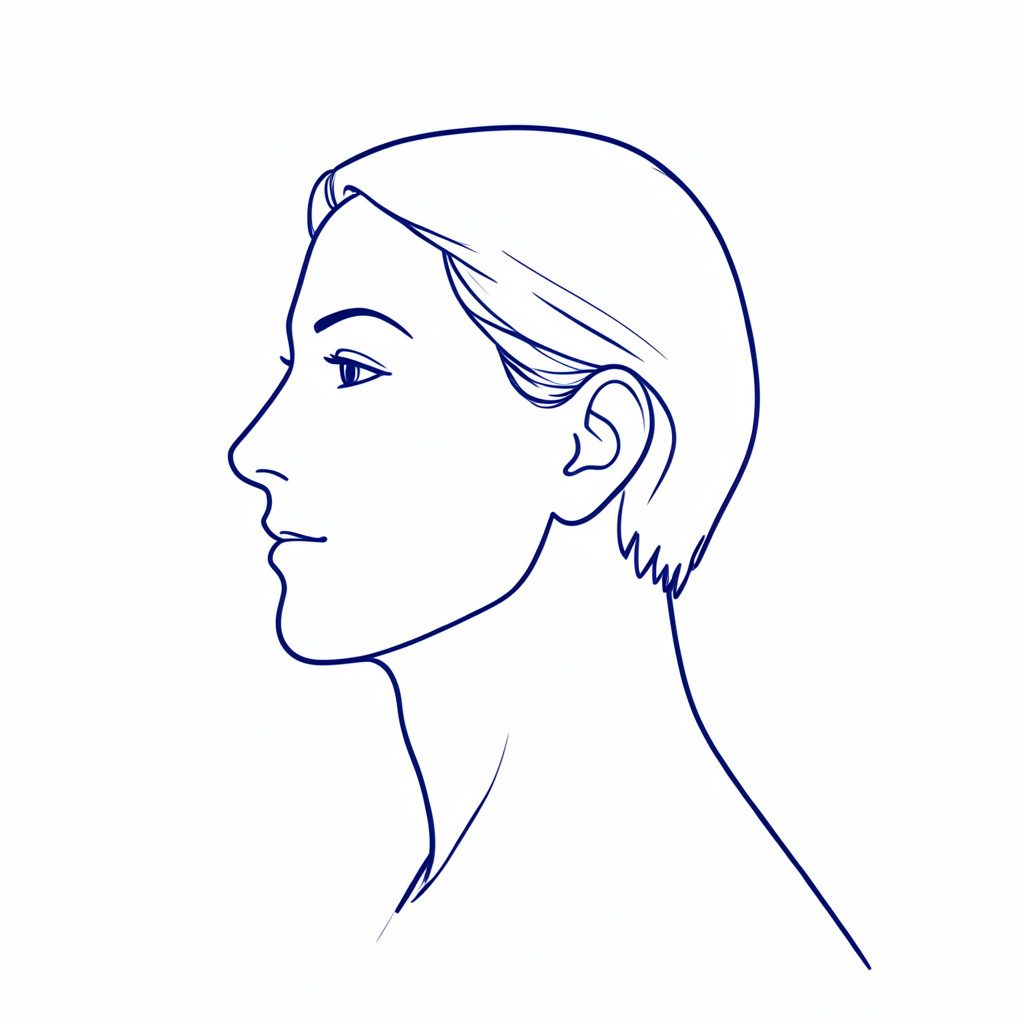
The Etheric Body and Your Personal Energy Blueprint
Many spiritual traditions describe the etheric body as the subtle field closest to the physical form. It is often understood as an energetic template that supports vitality, sensation and the movement of life force through the body. While it cannot be measured in the same way as heart rate or blood pressure, it can provide a meaningful language for self-reflection.
Your energy blueprint is shaped by habits, emotions, relationships, environment and personal beliefs. Learning to notice these influences may help you recognise when you feel balanced, depleted or disconnected from yourself.
For Australians exploring awakening and consciousness, this subject can sit alongside meditation, yoga, breathwork, nature connection and community discussion. It is best approached with curiosity rather than as a replacement for qualified medical or mental health care.
What the etheric body represents
In esoteric teachings, the etheric field is considered the energetic counterpart of the physical body. It is sometimes associated with the chakras, meridians, aura and prana, or with the subtle currents believed to animate the body. Different traditions use different terms, so no single map should be treated as universal fact.
The idea can still be useful as a reflective framework. For example, a heavy sensation in the chest may invite you to examine stress, grief or suppressed emotion, while a feeling of openness may correspond with rest, safety or meaningful connection.
Reading your energy blueprint
An energy blueprint is not a fixed personality label. It may change as your nervous system settles, your priorities evolve and your relationship with yourself becomes more compassionate. Sleep, hydration, movement and social contact can all influence how your subtle energy is perceived.
Journalling can reveal recurring patterns. Record your mood, body sensations, dreams, significant interactions and environments for a few weeks. You may notice that crowded places drain you, morning walks restore you, or certain conversations leave you feeling contracted.
Signs of balance and depletion
People often describe energetic balance through groundedness, clear boundaries, steady attention and a sense of being present in the body. These experiences may arise after time in nature, creative work, prayer, meditation or honest conversation.
Perceived depletion can appear as irritability, mental fog, emotional numbness or a strong desire to withdraw. Such signals deserve gentle attention, not fear. Persistent fatigue, pain, anxiety or changes in mood should be discussed with an appropriate health professional rather than explained only through spiritual language.
Grounding practices for Australian life
Grounding does not need to involve elaborate rituals. A barefoot walk on safe grass, slow breathing beside the coast, gardening, stretching after a commute or drinking water mindfully can reconnect attention with the physical world. In Melbourne, a quiet visit to a local park may offer a useful pause; in Brisbane or Perth, early morning outdoor time can be especially appealing before the heat rises.
Australian routines often include long drives, intense work schedules and substantial time in front of screens. A short sensory reset can fit into everyday life: notice five things you see, four you feel, three you hear, two you smell and one you taste. During summer, use sun protection and avoid treating heat exposure or dehydration as a spiritual cleansing method.
Practices for restoring energetic flow
Meditation, gentle yoga, rhythmic walking and breath awareness are common ways to explore subtle energy. Begin with a few minutes and observe the effects afterwards. A practice that leaves you calmer and more embodied is generally more supportive than one that creates pressure to achieve dramatic experiences.
Some people explore ceremonial traditions or plant-based practices while seeking spiritual growth. These areas require serious discernment, informed consent and attention to legal and health considerations; reading about plant medicine ceremonies should not be treated as encouragement to use substances. In Australia, drug laws vary by state and territory, and claims about therapeutic benefits are regulated by the Therapeutic Goods Administration.
Discernment during awakening
Energetic interpretations can become unhelpful when every difficulty is blamed on a curse, blocked chakra or another person’s vibration. A balanced approach checks spiritual impressions against observable facts. Ask whether you are rested, eating adequately, under stress or avoiding a practical conversation.
Periods of profound change can also feel lonely or confusing. The dark night guide offers one spiritual perspective, but intense despair, hopelessness or thoughts of self-harm call for immediate professional support. In Australia, Lifeline can be reached on 13 11 14, and emergencies should be directed to 000.
Sharing insights with a conscious community
A respectful spiritual community can help you test ideas without surrendering personal judgement. Online forums, member blogs, meditations and discussions create space for different traditions, including Aboriginal and Torres Strait Islander knowledge. Such knowledge should be approached with respect, proper context and awareness that cultural teachings are not automatically available for general use.
Illuminating Minds Society provides a place to browse spiritual groups, exchange experiences and find practices that suit your interests. Before sharing personal material online, review privacy settings and consider how much identifying information you wish to post. Community connection is most nourishing when consent, boundaries and kindness remain central.
| Aspect | Supportive approach | Caution |
|---|---|---|
| Energy sensations | Observe them as personal information | Do not treat them as medical diagnosis |
| Chakra or aura work | Use it for reflection and meditation | Avoid rigid labels or fear-based claims |
| Breathwork | Practise gently and gradually | Stop if dizzy, distressed or unwell |
| Community learning | Compare perspectives respectfully | Keep boundaries around privacy and culture |
| Spiritual transformation | Pair insight with practical action | Seek professional help for serious symptoms |
Try one simple practice this week: pause for three quiet minutes, notice your body, write down what you feel and choose one grounded action. Share your reflections with a trusted community, keep what serves you and let your understanding develop at a steady pace.