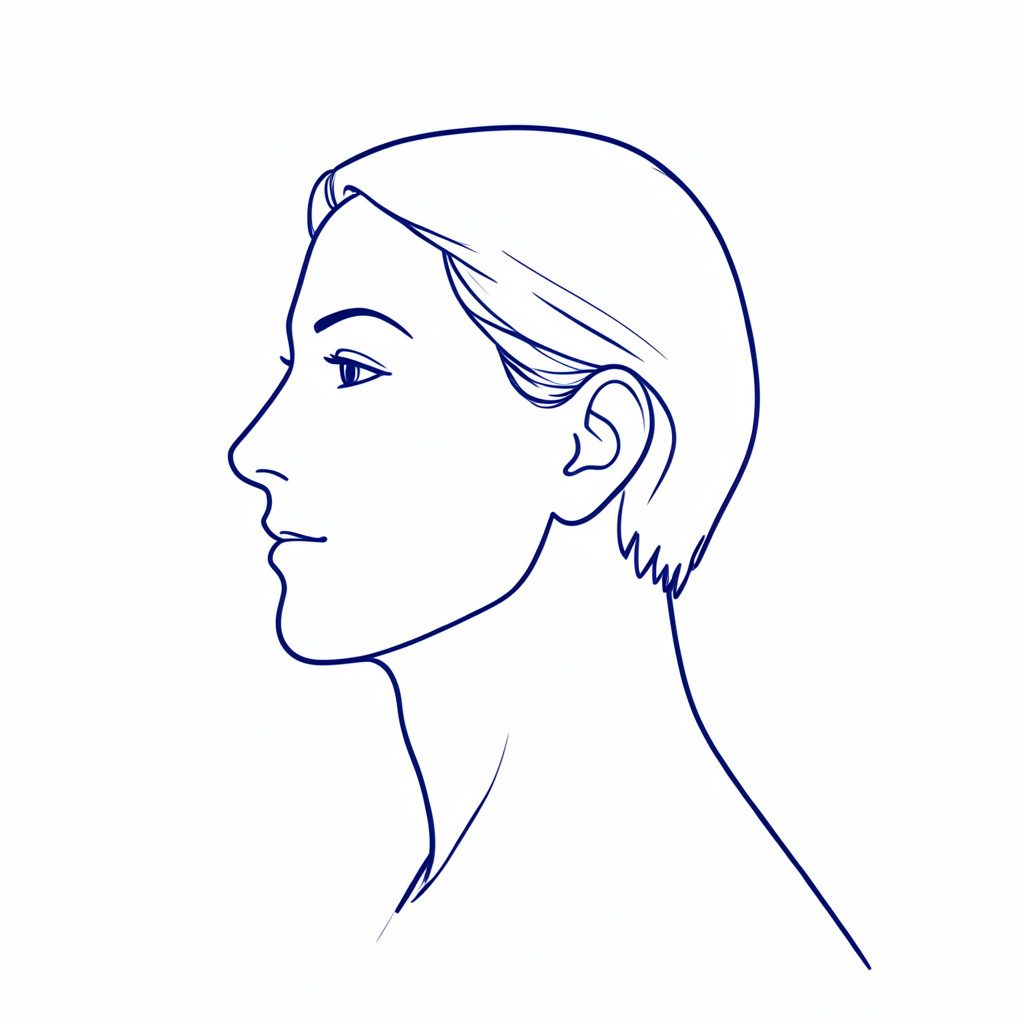
Unlocking the Power of Your Third Eye Through Practical Exercises
Unlocking the power of your third eye is often described as developing inner vision, intuition, and a clearer relationship with your thoughts. In yogic traditions, this centre is associated with the ajna chakra, located around the space between the eyebrows. It can serve as a meaningful symbol for reflection, awareness, and insight.
Third-eye practice does not need to involve dramatic visions or extraordinary experiences. A steady routine of meditation, mindful observation, dream journalling, and emotional honesty can help you notice subtle patterns in your inner life. The aim is greater clarity, not an escape from everyday responsibilities.
For people in Australia, spiritual practice can fit around an early commute in Melbourne, a hot afternoon in Perth, or a quiet arvo after work in Brisbane. Whether you live near the coast, in a regional town, or far inland, a calm and consistent approach can create space for self-awareness.
Create A Grounded Meditation Routine
Begin with five to ten minutes in a comfortable, quiet place. Sit with your spine relaxed, close your eyes, and bring gentle attention to your breathing. After several slow breaths, place your awareness at the area between your eyebrows without pressing or straining. Imagine a soft indigo glow there, allowing the image to remain subtle.
When thoughts appear, recognise them and return to the breath and the point of focus. This simple concentration exercise strengthens your ability to observe mental activity without immediately following every thought. If you practise outdoors, choose a shaded spot beneath a gum tree or sit on a balcony before the day becomes busy.
Grounding matters. Finish by noticing your feet, the weight of your body, and three sounds around you. This prevents meditation from becoming an exercise in detachment and helps you carry awareness into practical activities such as driving, working, or preparing dinner.
Use Candle Gazing For Concentration
Candle gazing, traditionally known as trataka, can develop visual focus and stillness. Place a candle at eye level in a safe, draught-free location and sit about an arm’s length away. Look at the flame gently for up to one minute, then close your eyes and observe the after-image without trying to control it.
Repeat this process two or three times, stopping if your eyes feel strained or irritated. The purpose is concentration, not endurance. People with light sensitivity or eye conditions should choose a safer alternative, such as focusing on a small symbol, a plant, or a point on the wall.
This exercise may be especially appealing during a quiet winter evening in Tasmania or the cooler months in Canberra. Keep fire safety in mind, particularly in dry Australian conditions, and never leave a candle unattended.
Develop Intuition Through Journalling
Intuition becomes easier to recognise when you record impressions before analysing them. Each morning, write down your dreams, mood, physical sensations, and any images that stayed with you. Avoid treating every dream as a prediction; instead, explore what its symbols might reveal about your feelings, concerns, or hopes.
A useful practice is to make a short prediction about an ordinary event, such as the tone of a meeting or the kind of support you may need during the day. In the evening, compare the impression with what actually happened. This builds discernment and separates genuine pattern recognition from wishful thinking.
You can also keep a “quiet knowing” page for moments when you sensed something before you had clear evidence. Over time, recurring themes may become visible. The spiritual blogs on Illuminating Minds Society can provide further perspectives for reflecting on consciousness, symbolism, and personal growth.
Practise Mindful Observation
A third-eye exercise can be as simple as slowing down your perception. During a bushwalk, notice colour, movement, sound, temperature, and the way your attention shifts. On a busy Sydney street or at a local market, observe your first impressions of a place, then identify which details created that feeling.
Try the “five-layer scan”: notice what you see, hear, smell, feel physically, and sense emotionally. Record your observations without labelling them as good or bad. This strengthens present-moment awareness and makes it easier to distinguish intuition from anxiety, assumption, or sensory overload.
Respect for context is essential when exploring ancient wisdom. Australia has living First Nations cultures with their own sacred knowledge and traditions. Approach Indigenous teachings through reputable, culturally respectful sources rather than borrowing ceremonies or symbols without permission.
Balance Inner Work With Everyday Life
Spiritual awareness is most useful when it supports balanced action. After meditation, ask yourself what practical quality you want to embody: patience during an arvo traffic jam, honesty in a conversation, or calm attention while caring for family. A clear intention gives inner practice a grounded direction.
Limit intense exercises if you feel unsettled, dissociated, unable to sleep, or overwhelmed by frightening imagery. Return to ordinary routines, spend time with trusted people, eat regularly, and connect with nature. Spiritual development should make daily life more manageable, not pull you away from it.
A weekly rhythm can include three short meditations, one journalling session, candle gazing once or twice, and mindful observation during a walk. Explore conversations, groups, and reflective content through Illuminating Minds Society to share experiences with a community interested in awakening and conscious living.
Choose one exercise today and practise it gently for seven days. Record what you notice, stay curious rather than forceful, and let discernment grow through lived experience. Your inner vision develops through patience, grounded attention, and an honest relationship with yourself.